

Around September 22 or 23, day and night meet in balance. In Japan, this turning point of the year is marked by Shūbun no Hi — Autumnal Equinox Day.
The air begins to change. Summer gradually gives way to cooler mornings and earlier evenings, rice fields approach harvest, and the first signs of autumn appear in gardens and forests. Japan’s seasons are not simply a backdrop to everyday life — they are deeply woven into its traditions, food, celebrations and sense of time.
Shūbun no Hi is one of these moments when the changing season becomes something to notice.

A day of balance
The word shūbun (秋分) means “autumnal equinox”. It marks the point when day and night are approximately equal in length, as the sun crosses the celestial equator.
Unlike a fixed-date celebration, the exact date of Autumnal Equinox Day can change from year to year according to astronomical calculations. In Japan, it is a national holiday and forms part of the traditional period known as Ohigan — a seven-day period extending around the equinox.
Ohigan is traditionally associated with visiting family graves, tending to ancestral memorials and taking time to remember those who came before. It is a seasonal moment that connects the present with the past.

Noticing the first signs of autumn
The equinox also belongs to a much wider Japanese appreciation of seasonal change.
Autumn brings a different rhythm to the landscape. The intense heat of summer begins to fade, evenings become cooler and the colours of the countryside slowly shift. Cosmos flowers begin to bloom, rice fields turn golden and later in the season maple and ginkgo trees transform into vivid shades of red and yellow.
Japanese culture has many ways of celebrating these subtle transitions. From seasonal flowers and foods to moon viewing and autumn gatherings, the changing year offers countless occasions to pause and pay attention.
This awareness of seasonality is known as shun (旬) — appreciating something at the moment when it is naturally at its best.

A simple moment to mark the season
Shūbun no Hi does not necessarily call for elaborate celebration.
It can be as simple as taking a walk, preparing something seasonal, opening the windows to cooler air or bringing a few autumn branches or flowers into the home.
It is also a good time to look around at the things we use every day.
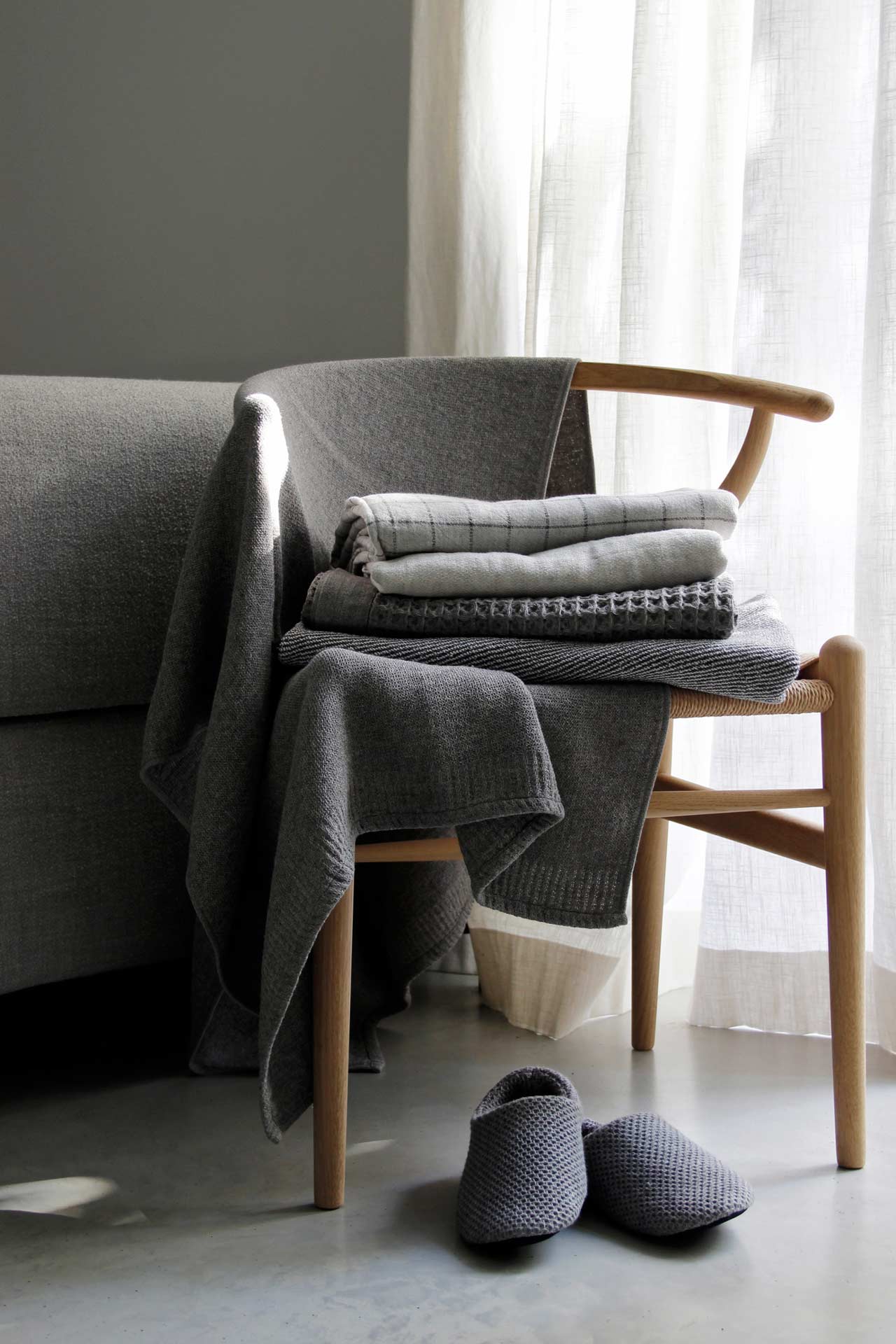
A well-made towel. A soothing and contemplating incense. A handmade object that carries the traces of the person who made it. Objects like these become part of the rhythm of everyday life — changing subtly with the seasons and with us.
At KENKAWAI, we are drawn to this way of thinking: fewer things, chosen with care, made to be used and appreciated over time.